Lily House Studio
A studio about growth.
VISIONS / CULTURE / BUSINESS
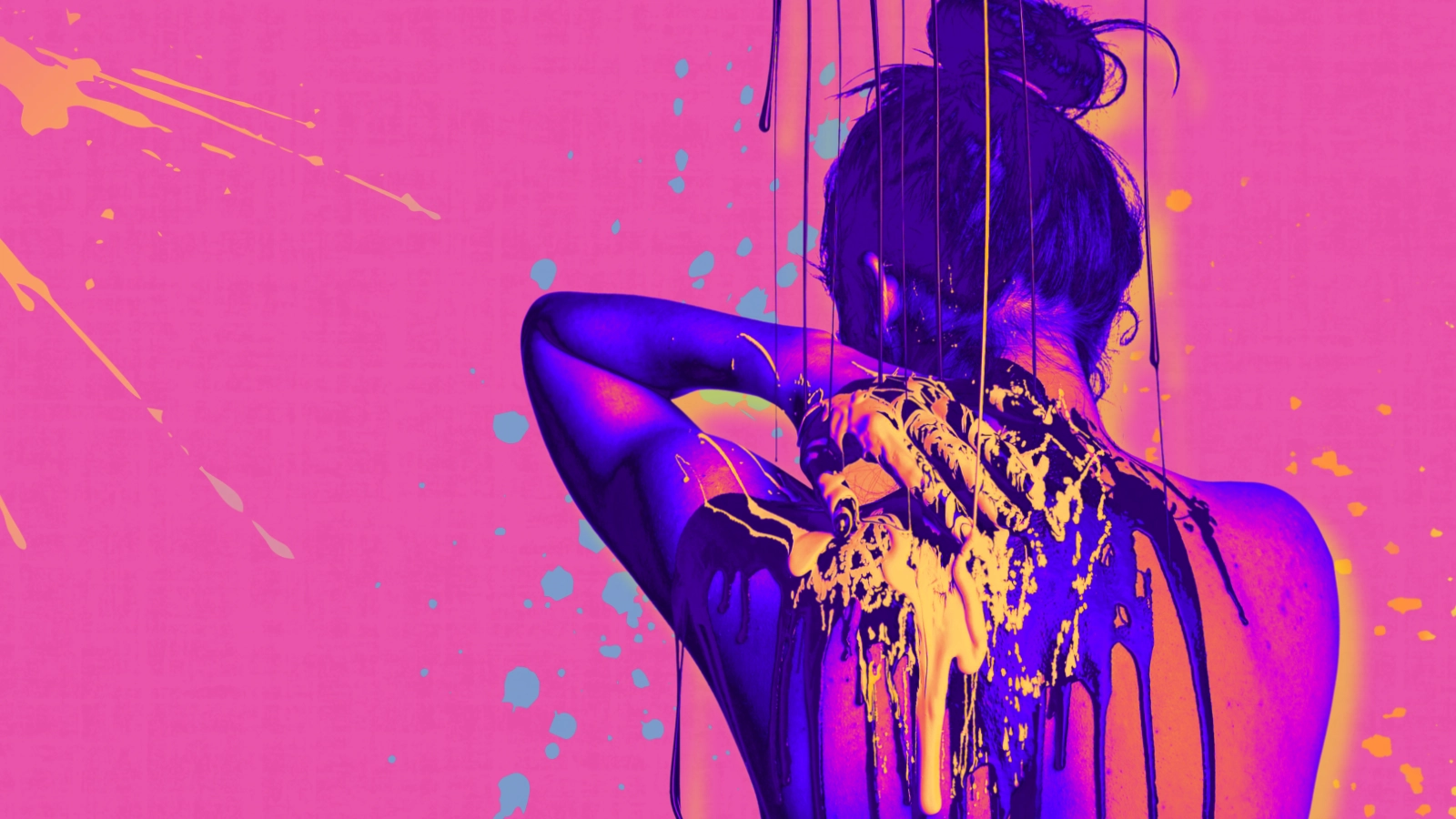
A human figure against a raspberry-pink background, with colorful paint flowing over their back.

Stop With the Dramatics. Creativity Isn’t Dying.

What the signals are telling us about creative work, corporate decisions and the value of the human touch.

Let's go back to middle school for a second.

Generate means to produce or bring forth. Create means to make or bring something into existence. The words overlap. The distinction that matters here is agency.

Generative AI works from learned patterns, prompts and instructions. It can generate an image, a song, a video, a campaign or a hundred versions of the same idea.

You decide what the thing is. You decide what it means. You decide what it should feel like. You mold it. You shape it. You bring it to life.

AI has no lived experience. It has never fallen in love, lost somebody or become obsessed with a question.

We already understand the distinction between creativity and execution when the creative is human.

Rick Rubin told 60 Minutes that he barely plays instruments and has no technical ability. When Anderson Cooper asked what artists were paying him for, Rubin pointed to his taste and his ability to express what he feels. [1]

Nobody looks at Rick Rubin and says he is not creative because somebody else plays the guitar.
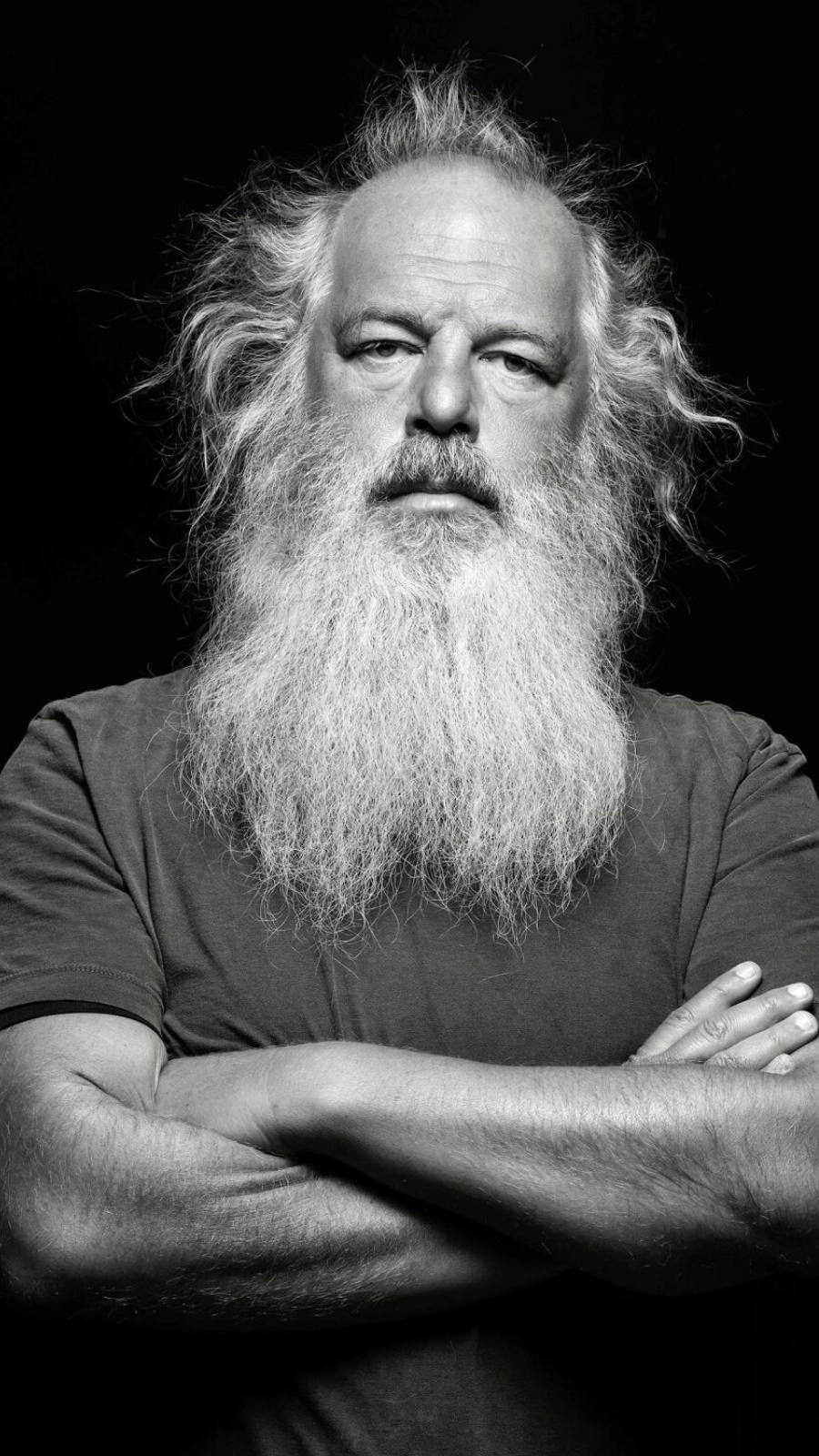
Rick Rubin, music producer.
Rick Rubin, music producer. Interview reference: CBS News, 60 Minutes, January 15, 2023. Source

A director does not operate every camera. A fashion designer does not sew every stitch. An architect does not pour the concrete.

Creativity and execution have never been the same thing.

AI generates. Humans create.

You can't outdo the doer.

So let's talk about the creative job market.

Adobe Labs found U.S. creative-professional job postings rose 8% between September 2025 and April 2026, while the share explicitly requiring AI skills also increased. Adobe described the pattern as a redistribution of creative work rather than a replacement of creative workers. [2]

First-pass variations and parts of production are becoming easier. Selection, direction, client negotiation, originality and accountability are becoming more important.

More options are becoming cheap.

Knowing which option deserves to exist is becoming more valuable.
COMPANIES VALUE THE BOTTOM LINE

The holy dollar.

The threat to replace creatives with AI comes down to what companies value: money.

When executives look at AI, they see the closest thing they have ever had to the perfect worker. No exhaustion. No health insurance. No raises. No childcare problems. No one telling an executive the idea sucks.

From a spreadsheet, that looks incredible.

But the argument that slows down the meeting might save the campaign. The art director who says the concept feels cheap might protect the brand. The writer who refuses the obvious line might be the reason anybody remembers it.

AI can do the menial tasks. But who's going to direct it? Who's going to have a vision?

They're trying to make a tool into a consciousness. But that's impossible. At least for now, that's impossible.

Have you actually tried prompting AI to make something specific?

There is a huge difference between typing a vague sentence into a prompt box and translating a precise idea in your head into something that resembles what you imagined.

You prompt. You reject. You reframe. You specify composition, tone, lighting, pacing or style. You iterate. You edit.

On November 9, a day before Adobe MAX opened, Adobe released its latest creator survey. Among more than 2,000 U.S. creators surveyed, 68% of creative AI users said they at least sometimes settle for a result that doesn't quite match what they had in mind. Among creators who had used AI, 47% had given up on it mid-project in the previous three months because getting the result they wanted took too much effort. [3, 4]

Directing the tool is part of the skill.

WHAT ARE AUDIENCES TELLING US?

Whatever companies decide to do, ultimately, they'll have to adjust based on how audiences receive their work.

And right now, audiences are not having it.

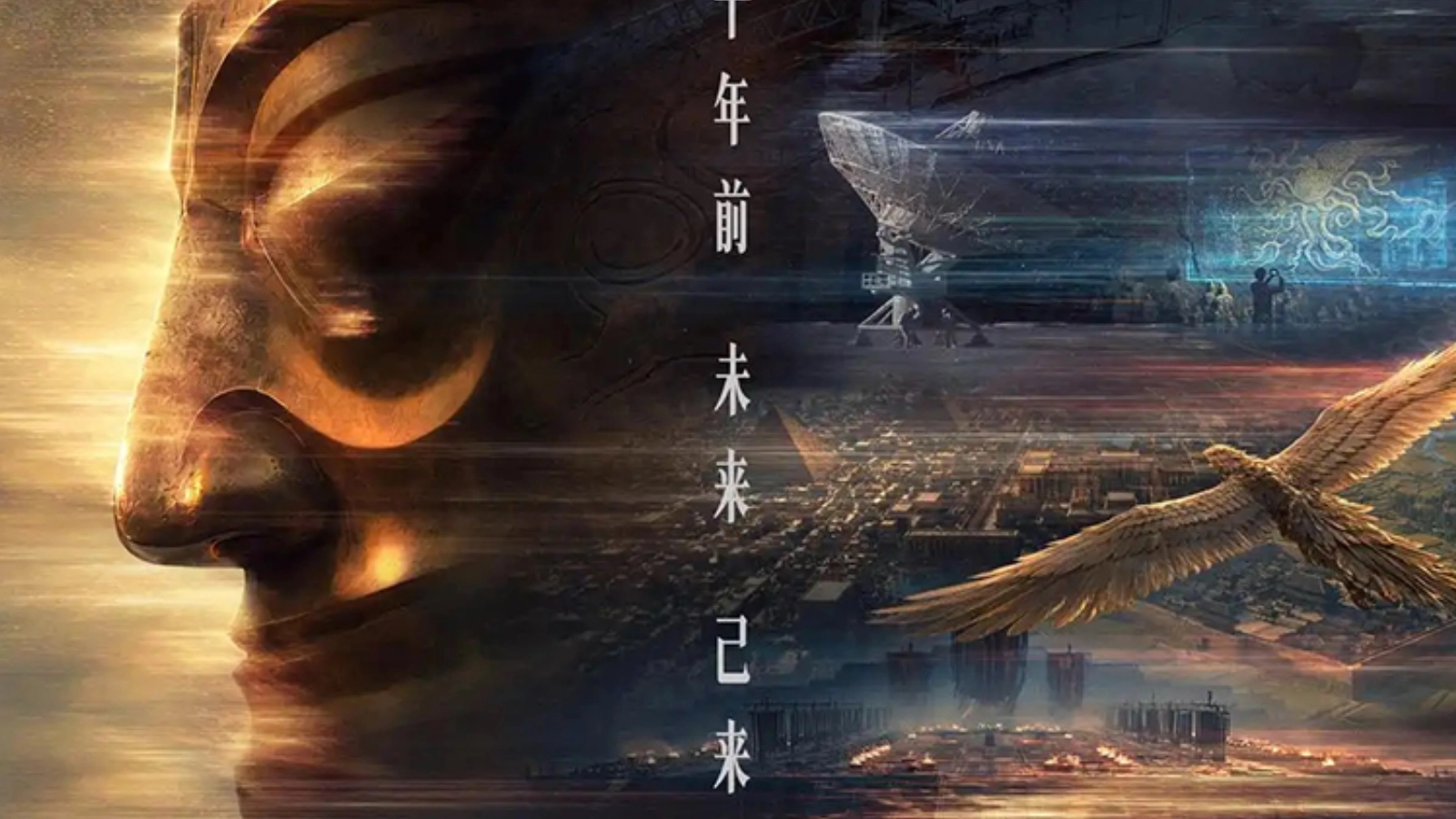
Sanxingdui: Future Past, promoted as China's first fully AI-generated theatrical film, reportedly cost tens of millions of yuan and had earned only 1.7 million yuan at the box office as of November 3. The Guardian reported that AI was used for the film's visuals, some sound effects and scriptwriting, while humans edited the result. Critics described the plot as confusing, the dialogue as awkward and the characters as uncanny. [5]

Poster or production artwork for Sanxingdui: Future Past.
Sanxingdui: Future Past. Film coverage: The Guardian. Source

In the United States, the AI-generated short Thanksgiving Day was removed from participating AMC locations and the TCL Chinese Theatre after public backlash. In December 2025, McDonald's Netherlands pulled an AI-generated holiday commercial after viewers criticized it. [6, 7]

People do not buy tickets because a movie had an efficient production pipeline.

They buy tickets for the story. They buy tickets because they love an actor. There is an emotional connection to the work.

And that's what companies have forgotten. The one thing humans have over AI: emotions and the ability to connect with one another.

I don't see fully AI-generated work having that same emotional impact on audiences.

But companies won't understand the value of that connection until it affects what they value most.

Their pocketbooks.

THE VALUE OF THE HUMAN TOUCH

And some companies are taking notice.

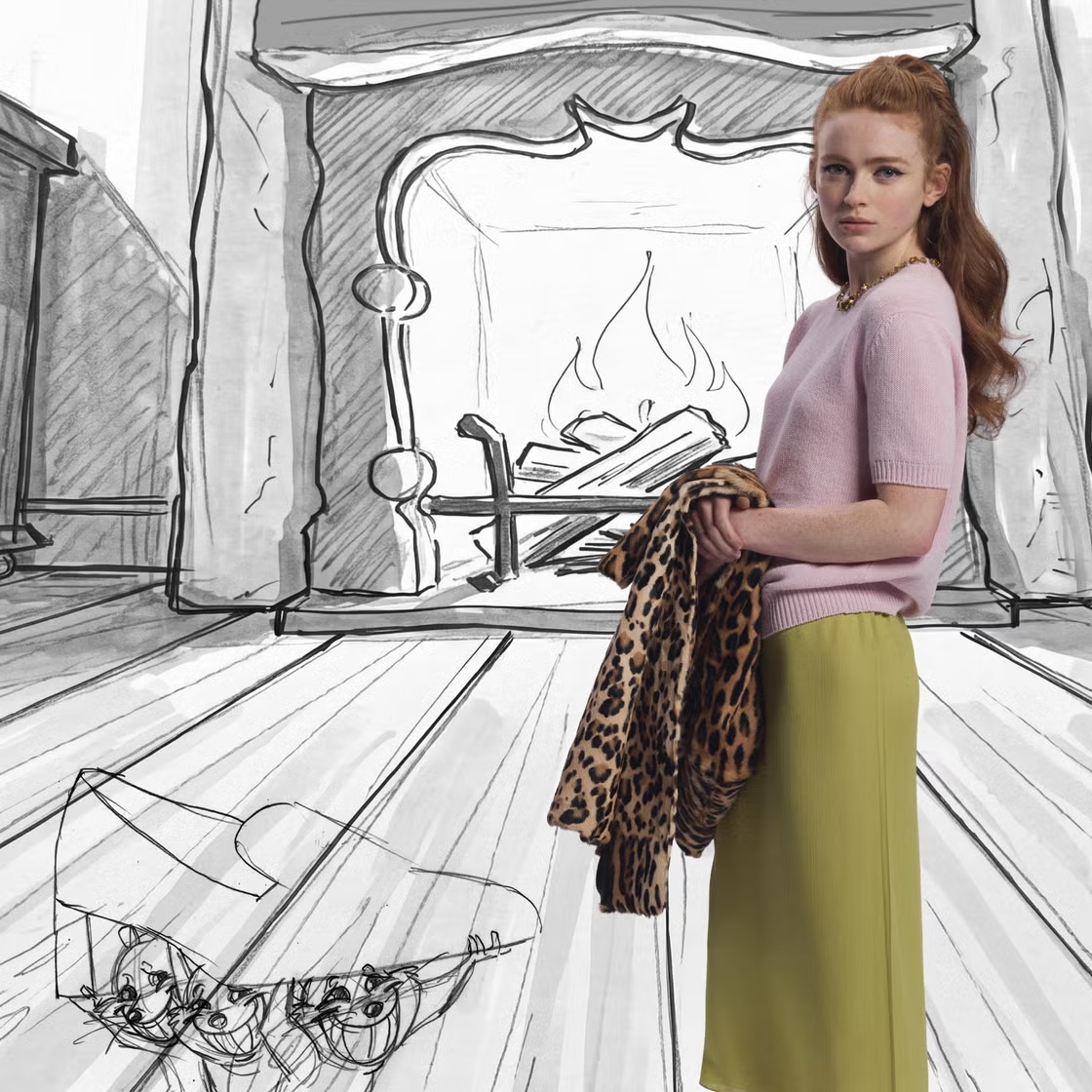
Prada's Holiday 2026 campaign is called Drawing Prada: Animated by Hand. Prada didn't bury the process in the credits. [8]

A model wearing a pink sweater and green skirt stands in front of a hand-drawn fireplace and illustrated mice.
Drawing Prada: Animated by Hand, Prada Holiday 2026. Campaign creative directors: Miuccia Prada and Raf Simons; photographer and director: Glen Luchford; animation direction: John Pomeroy. Source

Whether Prada decided to stand behind creatives because of its heritage as a luxury fashion house rooted in craftsmanship or because it's responding to signals from its audience, I see this push to show the humans behind the work as just the beginning of a rebalancing act between companies and creatives.

It speaks to the power of human creativity and the value of human authorship.

When things can be generated in the blink of an eye, efficiency alone loses its value as a differentiator. Artistry, storytelling and emotional resonance become more valuable.

And we, as sentient beings, have that over a computer program.


What people are actually afraid of is the uncertainty. And that is completely understandable given the state of the economy and the job market right now.

Through October, U.S. employers cited AI in more than 121,000 announced job cuts in 2026. Economic and market conditions were cited in even more. [9]

Not knowing whether you're going to have a job is terrifying.

But what we fear will happen and what the signals are showing us are two different things.

What are the signals showing us?

We're also seeing companies hire again.

In a 2026 Robert Half survey, 32% of U.S. hiring managers who had eliminated positions after adopting AI reported reinstating the same or similar roles. Among those making these hires, 40% cited the need for institutional knowledge, 39% cited relationship management that AI couldn't replicate and 38% cited greater-than-expected oversight and quality control. [10]

So what does this all mean?

WHAT I SEE COMING FOR CREATIVES

This is not the first time we've been here.

With every major technological advance, certain jobs have disappeared. Many people have been put out of work. Some technologies have been more devastating than others.

I think what is being tested right now is the human capacity for adaptation rather than just survival.

The more nimble, adaptable and creative you are, the better your chances of succeeding in this new world we live in.

AI is going to become a paintbrush. But giving everyone a paintbrush does not give everyone an eye.

Think about Photoshop. At some point, the existence of the tool stopped being the interesting part. The interesting part became what the person did with it.

AI can become another set of hands.

A filmmaker with very little money can prototype a world that once required a studio. A designer can explore dozens of directions before committing to one. A writer can process research faster. A small team can test ideas at a scale that once required far more resources.

In a Gusto survey of 1,051 people who started businesses in 2025, 60% used AI to help launch their businesses. [11]

Maybe this is the time for you to take that risk on the idea you've been sitting on for years. Maybe it's time to learn new skills, create new jobs and create new positions for yourself.

Or think of the value you hold and the knowledge you hold. Can you create a position within your company based on the skills AI cannot replicate?

Your value is what you notice. What you connect. What you recognize before other people do. What your life has taught you to see that somebody else would miss.

Feel the grief. Feel the fear. However, don't let it suspend you in mental purgatory.

Take the action you feel is best suited to help you not only survive but thrive in this new world.

WHAT I SEE COMING FOR COMPANIES

As for companies, I don't foresee them operating solely on AI in its current state. I believe it would be foolish and a bad business practice to swing so far in that direction.

In the coming years, AI will improve. However, once companies realize they can't get rid of their entire workforce simply to cut the budget, they're going to have to recognize the knowledge, experience and nuance human beings bring to the work.

I foresee many of the companies that made massive layoffs hiring humans again. This time, to work directly with AI, implement AI as a tool, direct it, guide it and translate its output.

The question will change from “How many creatives can we remove?” to “How much more can our creatives do with this tool?”

We are the creators. We hold the taste. We hold the vision. And AI can help us execute that vision.

It's about finding the proper roles and the balance between the menial work AI can free us from and the value human beings bring to the work.

A reminder to companies: human value is indispensable.

Know someone who should read this?

Sources and research notes

Research powered by PATTERNS, Lily House Studio's pattern recognition intelligence division.

  1. CBS News / 60 Minutes, January 15, 2023.
  2. Adobe Labs, creative work research, June 2026.
  3. Adobe Creators’ Toolkit Report, November 9, 2026.
  4. Adobe MAX, official conference information.
  5. The Guardian, November 3, 2026.
  6. Fast Company, February 20, 2026.
  7. The Guardian / AFP, December 11, 2025.
  8. Prada, Holiday 2026 campaign.
  9. Challenger, Gray & Christmas, November 5, 2026.
  10. Robert Half, Labor Market Outlook Through Year-End 2026.
  11. Gusto, 2026 New Business Formation Report, May 14, 2026.